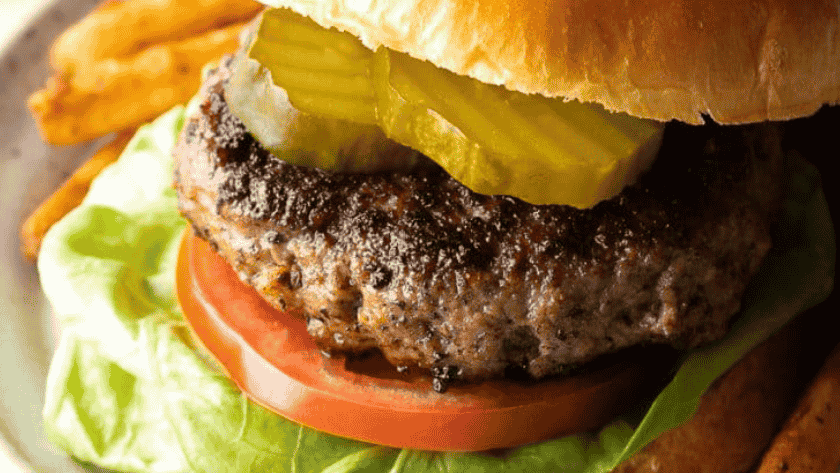
The Quest for the Perfect Hamburger Patty: Beef, Salt, Pepper, or More?
The humble hamburger is a culinary icon, a global favorite that transcends cultural boundaries. From backyard barbecues to gourmet bistros, the allure of a juicy patty nestled between two buns is undeniable. But what truly makes a perfect hamburger patty? Is it a minimalist masterpiece of just beef, salt, and pepper, or does it require a symphony of additional ingredients to reach its full potential? This question sparks passionate debate among chefs, home cooks, and burger enthusiasts alike. Let's delve into the art and science of crafting the ultimate beef patty, exploring both the purist's philosophy and the arguments for a more expansive approach.
The Purist's Creed: Celebrating the Beef
For many culinary experts and seasoned burger connoisseurs, the secret to an exceptional hamburger patty lies in its elegant simplicity. Imagine a perfectly seared steak – its flavor is derived primarily from the quality of the beef itself, enhanced only by a touch of salt and pepper. This same principle, they argue, applies to the best hamburgers you'd find in a high-end steakhouse or a classic American diner. The philosophy is straightforward: let the beef be the star.
The renowned culinary insight suggests that a truly great beef hamburger patty requires nothing more than quality ground beef, seasoned judiciously with salt and pepper. Forget the breadcrumbs, the eggs, the minced onions, or the myriad of spices often thrown into the mix. These additions, while sometimes well-intentioned, can dilute the rich, robust flavor of the beef, turning a pure burger experience into something akin to a meatloaf sandwich.
Why does this minimalist approach work so well?
- Unadulterated Beef Flavor: When you strip away fillers, the inherent taste of the beef shines through. This is particularly crucial if you're using high-quality ground chuck with an optimal fat-to-lean ratio (typically 80/20 or 75/25), which provides both flavor and juiciness.
- Superior Texture: Without binders like breadcrumbs or eggs, the patty maintains a looser, more tender texture. Overworking the meat with too many additions can compact it, leading to a dense, tough burger.
- Perfect Crust Development: Salt and pepper applied to a pure beef patty on a hot surface promote the Maillard reaction – the chemical process responsible for that irresistible savory crust. Fillers can interfere with this browning process, preventing a deeply flavored exterior.
The key here is starting with excellent ground beef. Ideally, opt for freshly ground chuck, which has enough fat to keep the burger moist and flavorful without being greasy. When it comes to seasoning, a good quality coarse salt (like kosher or sea salt) and freshly cracked black pepper are all you need. Apply them generously but not excessively, just before cooking, to draw out moisture and create that beautiful crust.
When "More" Might Be Merrier: The Case for Additions
While the purist argument for beef, salt, and pepper holds strong for classic hamburgers, there are instances and personal preferences where additional ingredients can play a beneficial role. It's important to differentiate between a truly simple, beef-forward burger and one designed to deliver a different flavor profile or texture.
- For Leaner Meats: If you're working with very lean ground beef (e.g., 90/10 or higher), which can dry out quickly, a small amount of binder like an egg or a few breadcrumbs (soaked in milk or water) can help retain moisture and keep the patty together. However, this is often a compromise on flavor and texture compared to using fattier beef.
- Flavor Infusion: Some home cooks enjoy incorporating finely minced onions, garlic, Worcestershire sauce, or even a dash of hot sauce directly into the meat. These additions undoubtedly add layers of flavor, shifting the burger's character towards a more "gourmet" or "pub-style" experience. While delicious, it's a departure from the "pure beef" ideal.
- Texture Modification: Ingredients like finely grated cheese or even a small amount of finely chopped mushrooms can alter the patty's texture, making it richer or softer. Again, this is about creating a specific desired outcome that goes beyond the unadulterated beef experience.
The decision to add more largely depends on what kind of burger you envision. If your goal is a classic, juicy burger that lets the beef speak for itself, stick to the basics. If you're experimenting with different flavor profiles or have dietary constraints that limit fat content, then thoughtful additions can enhance your hamburger creation.
Beyond Ingredients: The Art of Crafting the Patty
Beyond the fundamental debate of ingredients, the technique of forming and cooking your hamburger patty is equally crucial to achieving perfection. Even with the best beef, poor technique can lead to a dry, crumbly, or oddly shaped burger.
Choosing and Handling Your Beef:
- Fat Content is King: As mentioned, 80/20 ground chuck is widely considered the gold standard for its balance of flavor and juiciness.
- Gentle Touch: When mixing beef with seasonings (or any additions), handle it as little as possible. Overworking the meat develops gluten, leading to a tough patty. Just a few gentle folds are sufficient.
Forming the Perfect Patty:
- Size Matters: Aim for patties slightly wider than your bun, as they will shrink during cooking. A 6-ounce patty is a good standard for a substantial burger.
- The Dimple: A crucial trick is to press a shallow indentation (a "dimple") in the center of one side of the patty. This prevents the burger from bulging into a sphere as it cooks, ensuring an even thickness.
- Even Thickness: Ensure your patties are uniformly thick, typically around ¾ to 1 inch, for even cooking.
Cooking for Perfection:
- Hot Surface: Whether grilling or using a cast-iron skillet, ensure your cooking surface is screaming hot. This creates that desirable crust quickly.
- Don't Press: Resist the urge to press down on your burgers with a spatula. This squeezes out precious juices, leading to a dry burger.
- Cook to Temperature: Use a meat thermometer to ensure your burger reaches your desired doneness (160°F for well-done, 135-140°F for medium-rare, etc.).
- Rest Your Burger: Just like a steak, letting your cooked patty rest for a few minutes allows the juices to redistribute, resulting in a juicier bite.
Lessons from a Legacy: Gino's Hamburgers and the Power of the Core
The enduring success of iconic burger establishments often reinforces the principle of quality core ingredients. Take, for instance, Gino's Hamburgers: From NFL Founders to Modern Maryland Revival. Founded in 1957 by Baltimore Colts stars Gino Marchetti and Alan Ameche, along with associates, this chain quickly became a Mid-Atlantic sensation. Their original success wasn't built on outlandish patty concoctions, but rather on "fresh ingredients and generous portions," exemplified by their signature Gino's Giant—a half-pound burger that emphasized the substantial, high-quality beef patty itself.
The Gino's Giant, loaded with American cheese, special sauce, lettuce, and pickles, showcased that while toppings play a vital role in the overall burger experience, they are merely enhancements to a robust, well-prepared foundation. The focus on a half-pound of beef speaks volumes about prioritizing the patty's size and inherent quality. The chain's commitment to these fundamentals, even through its modern revival as Gino's Burgers & Chicken, underscores the timeless appeal of a truly great, grilled beef patty, honoring original recipes while adapting to modern dining. For a deeper dive into their fascinating journey, exploring their NFL origins and modern resurgence, you can also uncover more details in The Rise and Return of Gino's Hamburgers: An NFL Fast-Food Icon.
The legacy of Gino's, like many other beloved burger joints, teaches us that while customer preferences evolve and toppings multiply, the integrity of the hamburger patty itself remains paramount. A delicious burger starts with a foundation of quality beef, prepared with care.
Conclusion: Finding Your Perfect Patty
Ultimately, the "perfect" hamburger patty is a matter of personal preference, but understanding the core principles can elevate your burger game significantly. For a classic, beef-forward experience that echoes the best steakhouses and diners, embracing the purist's creed of just quality beef, salt, and pepper is a winning strategy. This allows the inherent richness and flavor of the meat to shine, creating a juicy, tender interior with a beautiful, savory crust.
However, there's no single "right" way to enjoy a burger. If you prefer a patty with more complex flavors, or if you're working with leaner meat, judicious additions can certainly enhance your creation. Regardless of your approach, remember that attention to detail in choosing your beef, handling it gently, forming your patties correctly, and cooking them with care will always lead to a superior hamburger. So, experiment, savor the process, and discover what truly makes the perfect burger for you!
